Category: The Architects of Wit
-

Why Wit?
Everyone, regardless of culture, race, or age, loves to laugh. This universal joy, a feeling of lightness in the heart, a sense of wonder, an optimism that lifts us beyond everyday concerns is desired by every single human that ever existed. No wonder stand-up is so trendy and comedy shows so popular. They speak to…
-
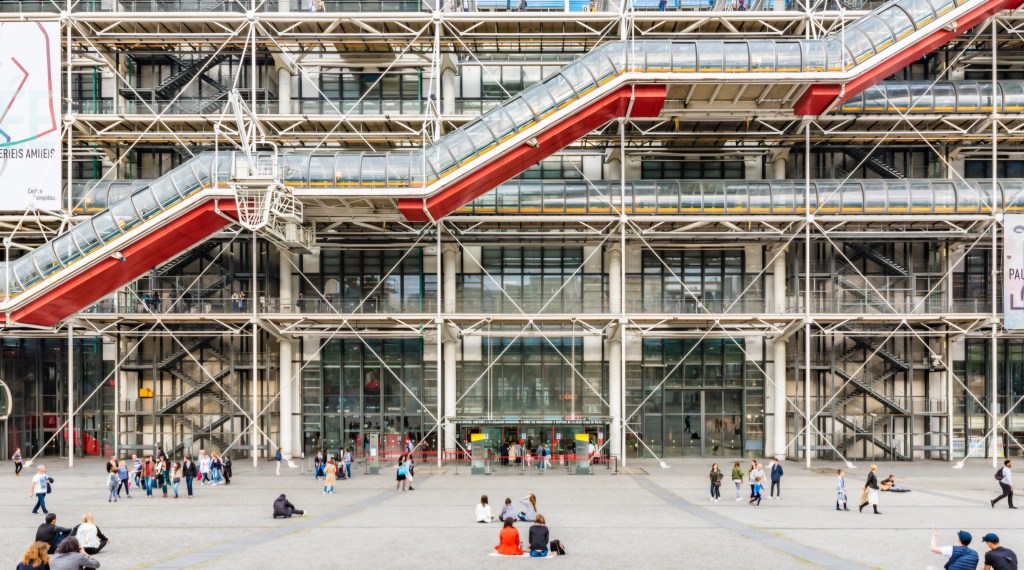
Is Visual Wit Subjective?
Not everyone laughs at the same things—and not every wink in design lands the same way. Cultural background, personal history, and even mood shape what we find funny, clever, or delightful. Wit in design is therefore subjective, but not arbitrary. It follows recognisable psychological patterns and aesthetic triggers that connect across human experience.[1][2] Across studies…
-

Wit and the Brain
Humor lights up the brain like a switchboard. It activates areas tied to attention, pattern recognition, emotional reward, and even motor control. When we experience something funny or unexpectedly clever—especially in a visual or spatial form—the brain rapidly moves through a sequence: detection of incongruity, resolution of that incongruity, followed by a release of emotion.…
-
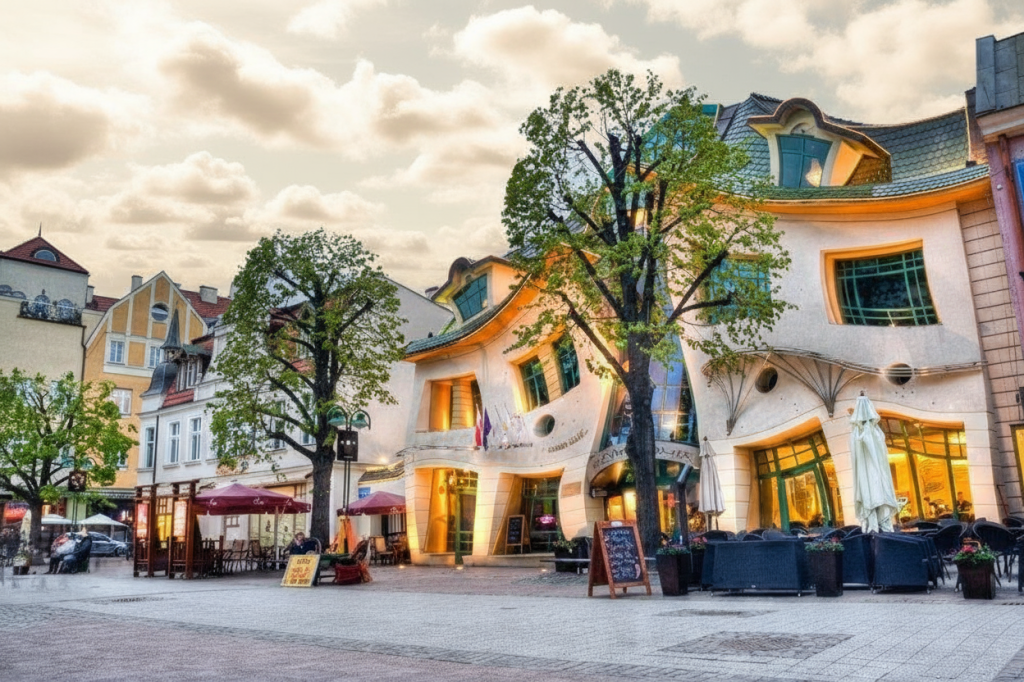
Grammar of Wit in Design
Every business has a unique potential waiting to be tapped. Recognizing the keys to unlock this growth can set an enterprise on the path to unprecedented success.
-
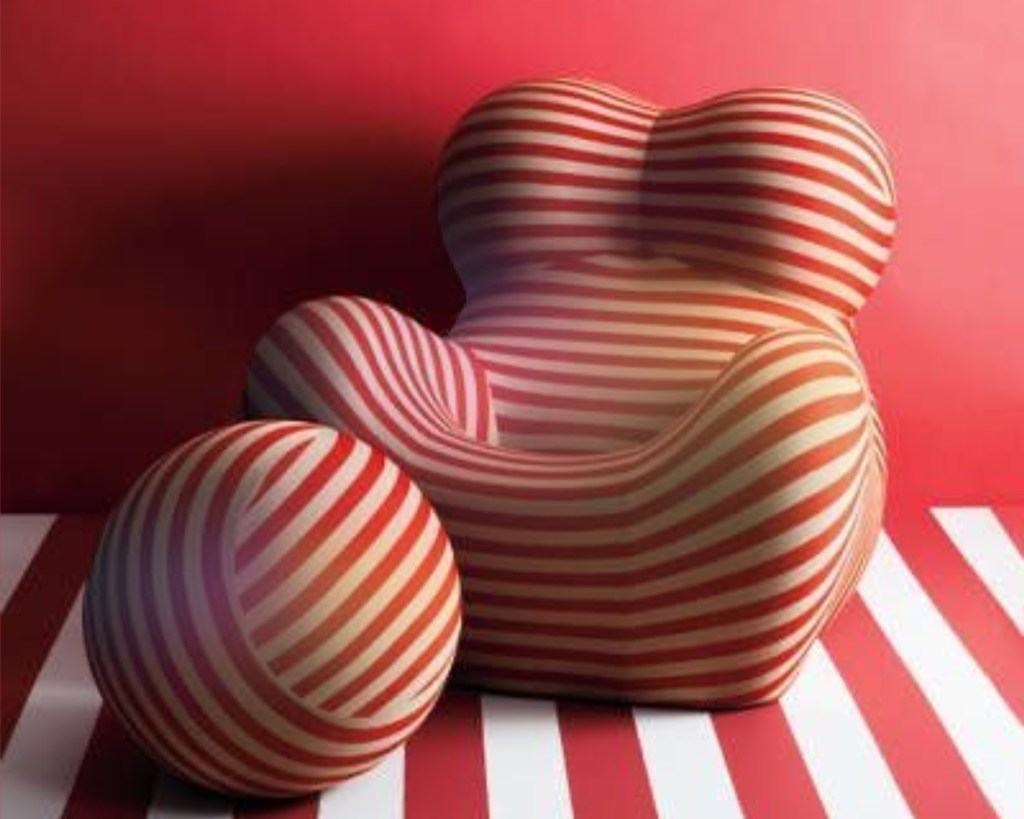
Activism and Inclusion
In an ever-shifting business landscape, adaptability isn’t just a trait—it’s a competitive advantage. Companies that embrace change, learn from challenges, and pivot when necessary are the ones that not only survive but also thrive in uncertain environments.
-

In the Age of AI, Wit has a Human Signature
In an era when algorithms can compose symphonies, design furniture, and even mimic architects’ sketches, the question isn’t what AI can create—but what it can’t feel. And that’s where wit steps in. The moment when a chair makes you smile or a building makes you pause and think, “Ah, that’s brilliant”, it’s a micro-exchange between…
-

The New Era of Luxury
Luxury, once characterised by solemnity—grand, silent, and untouchable—embodied status over sentiment. Polished stone, muted palettes, and solemn formality signaled exclusivity and prestige. However, today’s luxury landscape is undergoing a profound transformation. Contemporary consumers seek authenticity, narrative richness, and brands that embrace a lighter, more personable identity. They want brands full of caracter that don’t take…
-
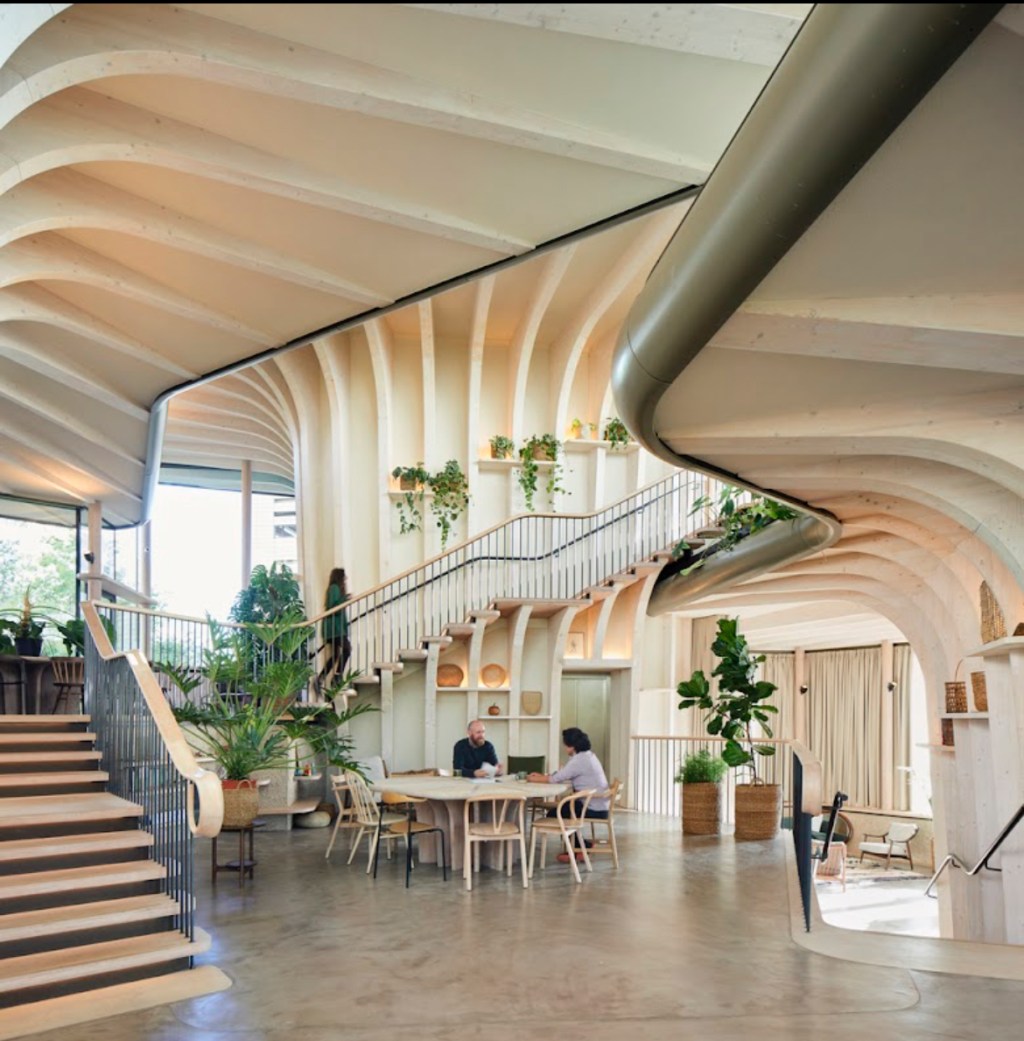
Emotional Safety
Why do some buildings feel hostile while others feel like an invitation?Witty design has the power to lower defenses before a word is spoken. In the built environment, subtle humour—through form, proportion, or unexpected visual cues—can create a sense of emotional safety by signalling friendliness, softening authority, and easing stress responses. Neuroscientific studies show that…
-

Wit as a Nutrient
What if our surroundings were feeding us nutrients? By definition a nutrient is “a substance that provides nourishment essential for the maintenance of life and for growth.” Advances in neuroscience demonstrate the profound physiological impact of design and architecture on our body. Consequently, it is essential not only to avoid toxic environments but also to seek out…
-
Rebellion Against the Merely Functional
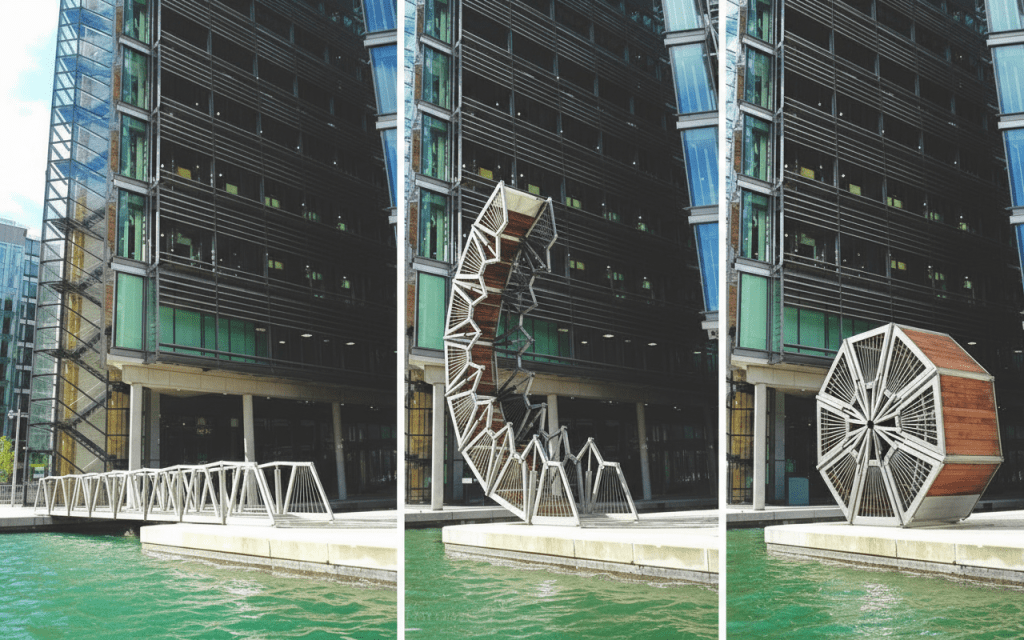
For much of the twentieth century, architecture bowed to the logic of function first. Louis Sullivan’s 1896 maxim, “form follows function,” became the mantra of modernism and the fuel for the stripped-down efficiency of the 1920s and 30s. Beauty was measured in precision, not emotion. Humour and creativity were treated as distractions from truth. But…
-

Wit vs Whimsical
Wit and whimsy often overlap, but they speak in different tones. Wit is precise, intentional, and often layered with meaning—it invites reflection through surprise or contradiction. Whimsy, on the other hand, leans into the playful and fantastical, prioritising imagination and lightness over logic. Wit and whimsy often intersect but embody distinct modes of expression. Wit…
-

Why do we Love Faces in Objects?
You see two windows and a door—and your brain sees a face. This automatic recognition is called pareidolia, and it’s far more than a quirk. It’s a deep-rooted function of the human brain that shapes the way we experience the built environment, everyday products, and even how we emotionally connect with them. Pareidolia: A Survival…
 THE ARCHITECTS OF WIT